
Planning a Seoul trip and thinking about adding a visit to a Korean dermatology clinic to your itinerary? You’re not alone. Medical aesthetics and K-beauty treatments have become a popular part of the Seoul travel experience, especially for visitors interested in professional skincare.
But booking a treatment without considering your travel schedule can quickly turn into a planning headache.
The goal isn’t to squeeze as many procedures as possible into one appointment. It’s to choose treatments that fit your skin concerns, recovery time, budget, and vacation plans.
Here’s how to plan a Seoul dermatology visit as a tourist, from choosing the right time to book to planning around sightseeing, photos, and your flight home.
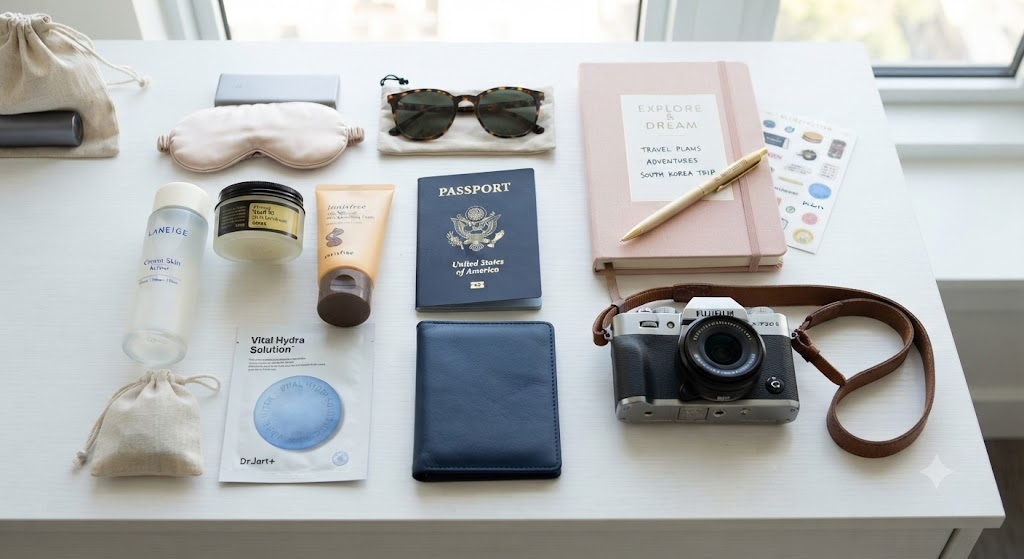
How Many Days Do You Need for a Seoul Dermatology Treatment?
Your length of stay can make a big difference in which Korean dermatology treatments are practical.
If You Have 2–3 Days in Seoul
For a short trip, prioritize treatments that typically involve little to no visible downtime.
Depending on your skin concerns, options to discuss with a dermatologist may include:
- LDM Water Drop: A gentle treatment focused on hydration and soothing.
- Aqua Peel: A non-invasive option for cleansing, exfoliation, and skin congestion.
- Genesis: A low-downtime laser treatment commonly used to improve the appearance of skin tone, texture, and redness.
- Pico Toning: Often used for uneven tone and pigmentation, although the right laser approach depends on the type of pigmentation you have.
If you’re only in Seoul for a weekend, avoid scheduling an aggressive treatment immediately before your flight or a packed sightseeing day. Even procedures marketed as “low downtime” can cause temporary redness or sensitivity.
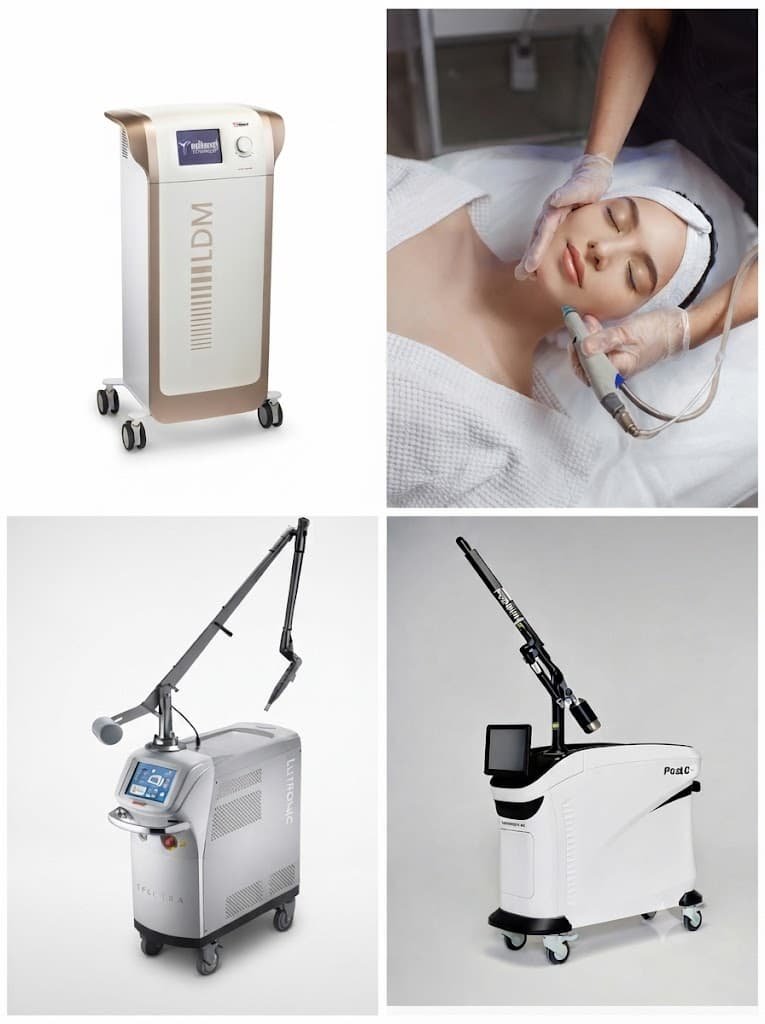
If You Have 4–5 Days
A longer stay gives you more flexibility.
Depending on your skin goals and your dermatologist’s recommendations, you may have time to consider treatments such as:
- Pico Toning
- IPL
- Skin Botox
- RF microneedling
- Rejuran
- Energy-based skin-tightening treatments
The key is to leave enough time for possible redness, swelling, bruising, or peeling to settle before important plans or your flight home.
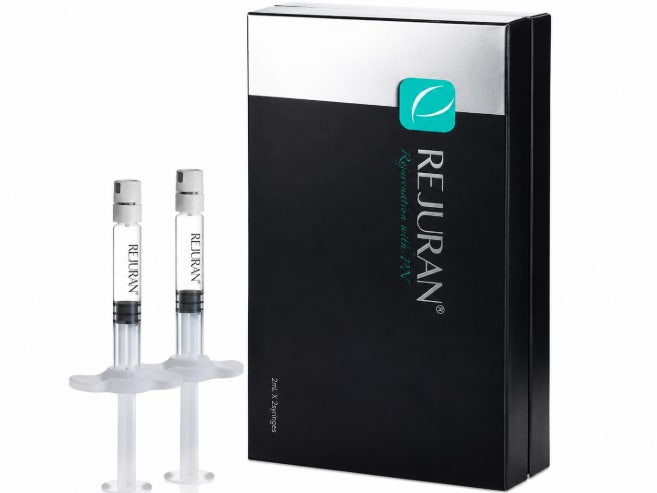
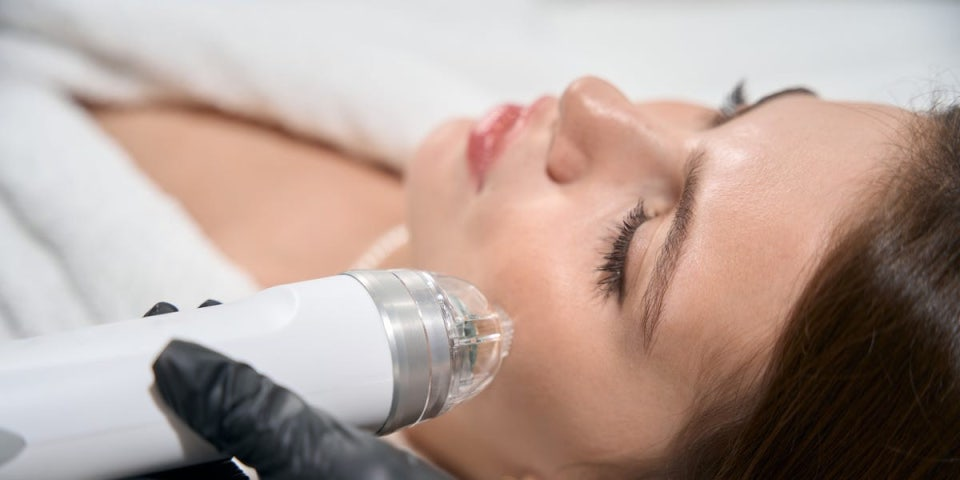
If You’re Staying a Week or Longer
A week or more in Seoul gives you more room to plan around recovery.
You can schedule a treatment earlier in your trip and allow several days for your skin to settle before heading home. This can make more intensive procedures easier to fit into your itinerary.
However, a longer vacation doesn’t mean you should automatically stack multiple treatments. Your dermatologist should determine which procedures can be combined safely and how much recovery time you’ll need.
When Should Tourists Book a Seoul Skin Clinic?
Timing your appointment is just as important as choosing the treatment.
Best Treatments for the Beginning of Your Trip
If you want to spend your first few days exploring Seoul, consider starting with lower-downtime treatments.
Gentler options such as LDM Water Drop, Aqua Peel, or certain toning treatments may be easier to fit around sightseeing.
If your skin is sensitive or reactive, however, even a gentle treatment can cause temporary redness or irritation. Leave yourself some breathing room instead of booking an appointment immediately before a major event.
Treatments to Schedule Earlier in Your Stay
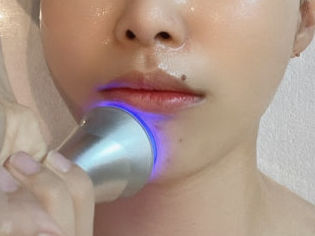
If you’re considering a procedure that may cause several days of redness, swelling, bruising, or peeling, schedule it with recovery time in mind.
Treatments such as Fraxel, RF microneedling, V-Beam, and injectable skin treatments can involve more noticeable recovery than basic maintenance procedures.
Whenever possible, give yourself a few quieter days after treatment rather than planning a full day of walking around Seoul immediately afterward.
Don’t Schedule an Intensive Treatment Right Before Your Flight
This is one of the easiest mistakes to make on a Seoul beauty trip.
You don’t want your last afternoon in Korea to be the day you discover that your skin is more swollen, bruised, or irritated than expected.
Before booking, ask your clinic:
- How long should I expect redness or swelling to last?
- When can I safely fly?
- What should I avoid after treatment?
- When can I resume my normal skincare routine?
- Will I need a follow-up appointment?
Your provider should give you aftercare instructions based on the specific treatment you receive.
How to Plan Your Seoul Itinerary Around a Dermatology Appointment
A little scheduling strategy can make your trip much easier.
A Simple 3-Day Seoul Dermatology Itinerary
Day 1: Consultation + Low-Downtime Treatment
Start with a consultation and discuss your skin concerns, previous treatments, and travel schedule. If appropriate, choose a treatment that won’t interfere too much with sightseeing.
Day 2: Sightseeing + Recovery-Friendly Activities
Give your skin some breathing room. Keep outdoor activities manageable and follow your clinic’s instructions regarding sun exposure, exercise, skincare, and makeup.
Day 3: Follow-Up or Gentle Treatment
If your clinic recommends a follow-up, use this day for it. Otherwise, keep your schedule flexible rather than trying to squeeze in another intensive procedure.
For longer trips, you can build in additional recovery time and potentially schedule more involved treatments earlier in your stay.
What to Expect at a Korean Dermatology Consultation
You don’t need to walk into a Seoul skin clinic already knowing exactly which procedure you want.
A good consultation should start with your skin concerns rather than a shopping list of treatments.
Be prepared to explain:
- What you want to improve
- How long you’ve had the concern
- Any previous laser or injectable treatments
- Your current skincare routine
- Any known allergies or sensitivities
- How much downtime you’re comfortable with
- When you’re flying home
It can also help to show your dermatologist photos of your skin concerns in natural lighting, especially if they’re not obvious during the consultation.
Don’t Be Afraid to Say No
Korean dermatology clinics can offer an impressive range of treatments, but you don’t need to say yes to everything that’s recommended.
If you’re unsure about a procedure, ask:
- What specific concern is this treatment addressing?
- Is there a less intensive alternative?
- How much downtime should I expect?
- How many sessions are usually recommended?
- What are the most common side effects?
- What happens if I skip this treatment?
The goal of a consultation should be understanding your options—not trying to fit every available treatment into one appointment.
Can You Combine K-Beauty Treatments?
Sometimes, yes—but more treatments aren’t necessarily better.
Seoul dermatology clinics may offer treatment combinations designed to address several skin concerns during the same visit. For example, a treatment plan might combine a skin-quality procedure with an energy-based treatment.
However, combining procedures can also increase irritation, swelling, or recovery time.
Before agreeing to multiple treatments, ask your provider:
- Are these procedures safe to combine?
- Does the order matter?
- Will combining them increase downtime?
- Would it be better to separate them?
- Which treatment should take priority?
If you’re visiting Seoul for only a few days, focusing on one or two treatments that address your main concerns may be more practical than trying to do everything at once.
How to Prepare for Your Seoul Dermatology Appointment
A little preparation can make your consultation more productive.
Bring Your Skincare Information
Take photos of your current skincare products or make a quick list of the active ingredients you’re using.
This can help your provider understand your routine and determine whether certain products should be paused before or after treatment.
Know Your Travel Schedule
Tell the clinic exactly when you’re arriving in and leaving Korea.
Your flight date matters when deciding whether a procedure with potential swelling, bruising, or peeling makes sense.
Don’t Arrive With a Packed Schedule
Give yourself some flexibility on treatment day.
You may spend more time at the clinic than expected because of the consultation, skin assessment, treatment, and aftercare instructions.
What Is Normal After a Seoul Skin Treatment?
Your skin may not look immediately “better” after a procedure.
Depending on the treatment, temporary effects can include:
- Redness
- Swelling
- Bruising
- Small bumps
- Warmth or tenderness
- Dryness or peeling
- Temporary sensitivity
These reactions don’t necessarily mean something went wrong. However, your clinic should explain what is expected after your specific procedure and when you should contact them if something seems unusual.
Follow Your Post-Treatment Instructions
This is especially important when you’re traveling.
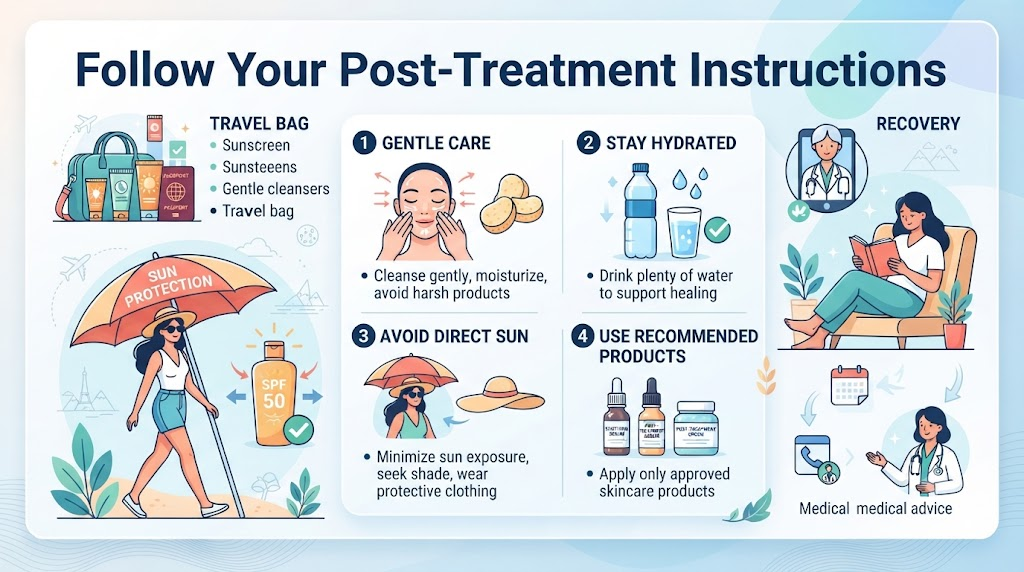
Follow your provider’s instructions regarding:
- Sun exposure
- Sunscreen
- Exercise
- Saunas and hot baths
- Alcohol
- Makeup
- Exfoliating products
- Retinoids and other active ingredients
Don’t assume that a post-treatment routine you’ve seen online will work for your skin. Your clinic’s instructions should take priority.
How to Protect Your Skin While Sightseeing in Seoul
It’s easy to forget about sun exposure when you’re busy exploring the city.
After certain laser or light-based treatments, your skin may be more sensitive to UV exposure. Spending hours outdoors without adequate protection can increase the risk of post-treatment pigmentation.
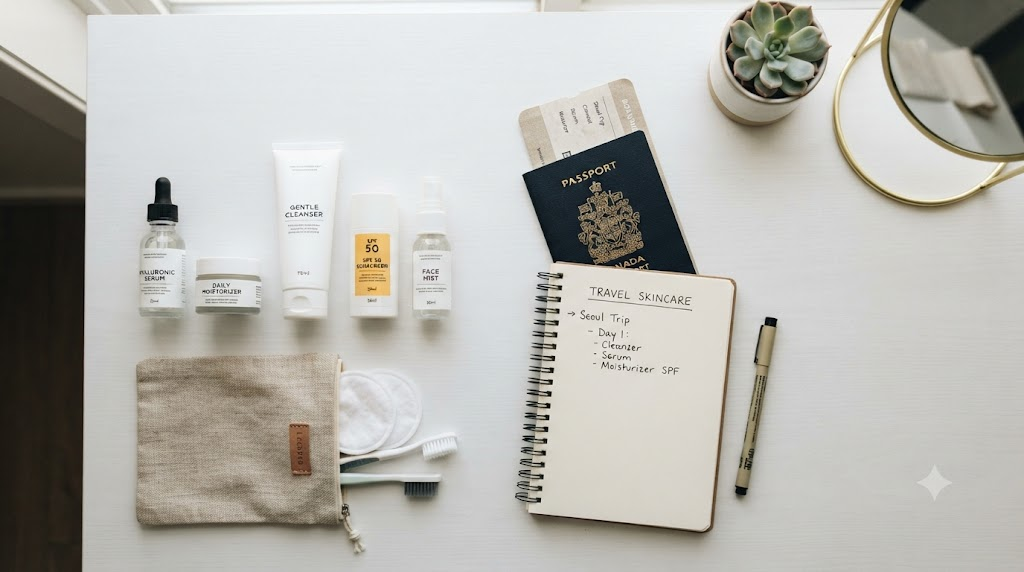
Consider packing:
- Broad-spectrum SPF 50+
- A hat or other sun protection
- A gentle cleanser
- A simple moisturizer
- Any post-treatment products recommended by your clinic
If you’ve had a procedure that increases sun sensitivity, follow your provider’s instructions and limit prolonged direct sun exposure during your recovery period.
How to Choose a Seoul Dermatology Clinic
Don’t choose a clinic based solely on a viral TikTok, Instagram post, or influencer recommendation.
Before booking a Seoul skin clinic, look for one that:
- Clearly explains the treatment and expected downtime
- Provides a consultation before treatment
- Uses licensed medical professionals
- Answers questions about potential side effects
- Provides clear aftercare instructions
- Doesn’t pressure you into unnecessary procedures
- Has experience working with international patients if you don’t speak Korean
Online reviews can be useful, but remember that everyone’s skin responds differently. A treatment that worked well for one traveler isn’t automatically the right choice for you.
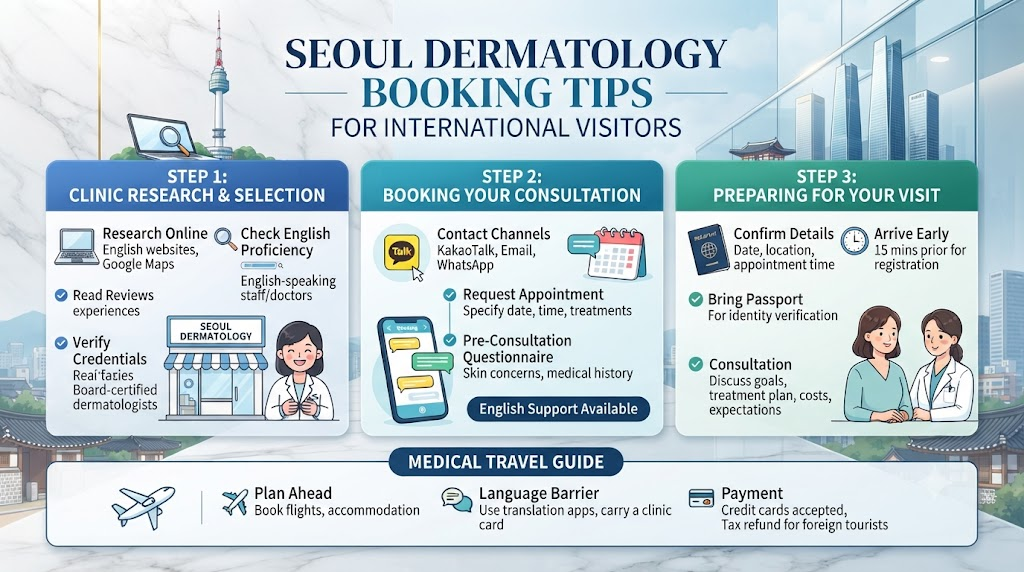
Seoul Dermatology Booking Tips for International Visitors
If you’re traveling from overseas, there are a few extra things worth checking before you make an appointment.
Check the Clinic’s Communication Options
If you don’t speak Korean, confirm whether the clinic offers English-language consultations or interpretation services.
Clear communication matters when discussing medical history, allergies, previous procedures, expected results, and possible side effects.
Confirm the Full Treatment Cost
Ask whether the quoted price includes the consultation, anesthesia or numbing cream, aftercare products, and any additional fees.
If you’re comparing clinics, make sure you’re comparing the same treatment and treatment intensity rather than looking at the headline price alone.
Ask About Cancellation and Rescheduling
Travel plans can change. Check the clinic’s cancellation and rescheduling policy before paying a deposit.
This is particularly useful if your Seoul itinerary is still flexible.
Should You Get a Dermatology Treatment Before Flying Home?
It depends on the procedure.
A low-downtime treatment may be easier to fit near the end of your trip, while procedures that can cause significant swelling, bruising, or peeling are generally better planned earlier.
Before scheduling anything close to your departure date, ask your provider how the treatment may affect:
- Flying
- Sun exposure
- Exercise
- Skincare
- Makeup
- Your appearance during the flight and after landing
When in doubt, leave more recovery time rather than less.
The Bottom Line: Plan Your Seoul Skin Treatment Around Your Trip
A visit to a Korean dermatology clinic can be a fun and useful addition to a Seoul itinerary, but the smartest approach isn’t to book the most popular procedure—or as many treatments as possible.
Start with your main skin concern, decide how much downtime you’re comfortable with, and then build the treatment into your travel schedule.
If you’re only in Seoul for a few days, prioritize lower-downtime options. If you’re staying longer, you have more flexibility to consider treatments that require additional recovery.
Most importantly, treat your consultation as a conversation rather than a shopping trip. The best treatment is the one that makes sense for your skin, your schedule, and your comfort level.