
Let’s be real: when your skin is acting up—red, irritated, or unusually dry—the instinct is often to reach for the richest “repair cream” on your shelf and pile it on. Surely, a thicker layer should help overnight, right?
Not necessarily. Barrier creams can be useful when your skin is dry or irritated, but more product isn’t always better. A formula that’s too rich for your skin—or one that contains an ingredient you’re sensitive to—can leave you with clogged pores, breakouts, or even more irritation.
Before you blame your entire skincare routine, it helps to look at why a cica or recovery cream might be causing problems and how to use one without overdoing it.
What Even Is a Recovery Cream?
First things first: “recovery cream” and “regenerative cream” aren’t standardized cosmetic categories. They’re broad marketing terms generally used for moisturizers formulated with ingredients that support the skin barrier and help soothe dryness or irritation.
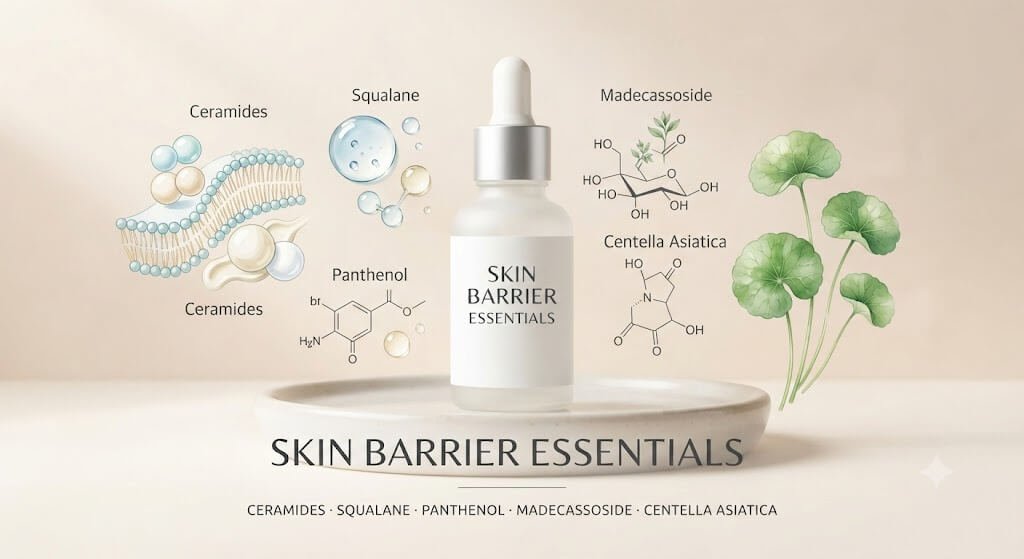
Common ingredients include:
- Ceramides & Squalane (help reinforce the skin barrier and reduce moisture loss)
- Panthenol & Madecassoside (known for their soothing and moisturizing properties)
- Centella Asiatica (Cica) Extract (commonly used to calm and moisturize irritated skin)
These formulas can be especially helpful when your skin feels dry, tight, or compromised. But they aren’t one-size-fits-all. Some are lightweight lotions, while others are rich creams or balms with a much heavier feel.
5 Reasons Why Your Recovery Cream Might Be Backfiring
If your skin is suddenly looking worse after adding a recovery cream, one of these common issues could be behind it:
- The Overload Trap (Hello, Comedones): Recovery creams can be much richer than lightweight gel moisturizers. If you have oily or combination skin and apply a thick layer of a rich formula, you may end up feeling greasy or noticing more clogged pores and tiny bumps—especially in areas that are already prone to breakouts, such as the chin and jawline.
- Hidden Irritants: A product labeled “soothing” or “for sensitive skin” isn’t automatically right for everyone. Fragrance, essential oils, alcohol, and certain botanical extracts can irritate some people, particularly when the skin barrier is already stressed.
- The Over-Exfoliation Clash: Adding a rich cream won’t necessarily offset irritation from using too many active ingredients. If you’re simultaneously using retinoids, AHAs, BHAs, or a strong vitamin C product, your routine may simply be doing too much. When your skin starts stinging, it’s also harder to tell which product is actually causing the problem.
- The “More Is More” Myth: Applying a thick layer won’t necessarily make your skin recover faster. Once you’ve applied enough to moisturize the skin, adding more can simply leave a heavy film behind, contribute to greasiness, or cause makeup to pill.
- Ignoring Your Skin Type: A rich cream that feels great on dry skin can be far too heavy for someone with oily skin. Your skin’s current condition matters, too, so the amount and texture that work for you may change from season to season.
🚨 When to stop using it: Stop using the product if you experience persistent burning or stinging, worsening redness, a sudden breakout of bumps, or a noticeable increase in irritation after applying it.
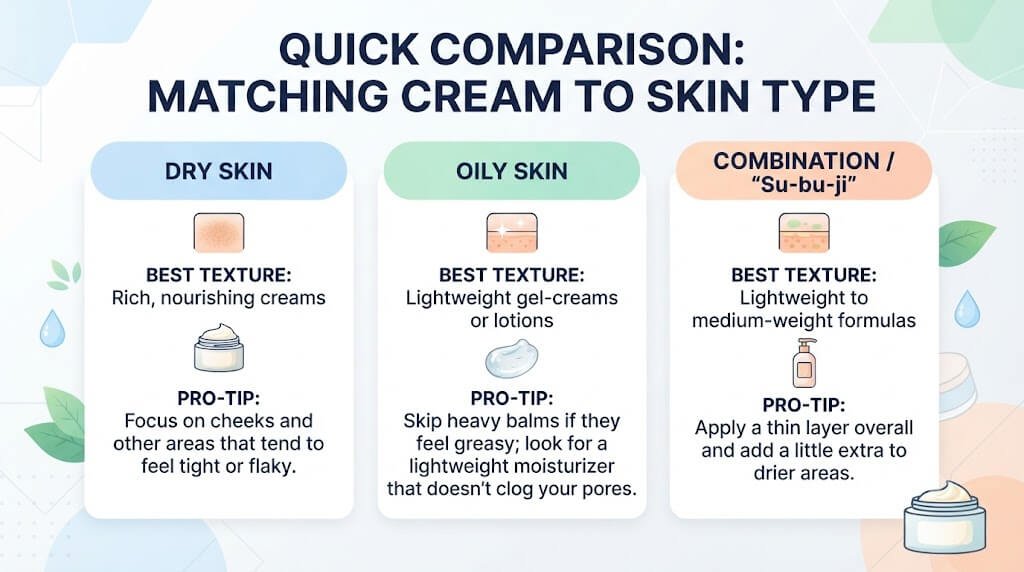
Quick Comparison: Matching Cream to Skin Type
| Skin Type | Best Texture | Pro-Tip |
|---|---|---|
| Dry Skin | Rich, nourishing creams | Focus on cheeks and other areas that tend to feel tight or flaky. |
| Oily Skin | Lightweight gel-creams or lotions | Skip heavy balms if they feel greasy; look for a lightweight moisturizer that doesn’t clog your pores. |
| Combination / “Su-bu-ji” | Lightweight to medium-weight formulas | Apply a thin layer overall and add a little extra to drier areas. |
The Right Way to Apply a Barrier Cream
The amount and placement can make a bigger difference than you might expect. Try this approach:
- Prep Gently: After cleansing, gently pat your face dry with a towel. There’s no need to rub or scrub.
- Layer Smartly: Apply lightweight toners or essences first if they’re already part of your routine.
- Start Small: Start with a pea-sized amount of recovery cream. Smooth it gently over your face rather than applying a thick layer all at once.
- Target the Trouble Zones: Concentrate extra product on dry areas such as your cheeks or around the mouth instead of coating your entire face heavily. Add a little more only if your skin still feels dry.
- Protect & Pause: In the morning, finish with SPF. If your skin is irritated, consider taking a break from physical scrubs and strong exfoliating treatments. You may also want to temporarily reduce or pause retinoids and other potentially irritating actives until your skin feels comfortable again.
- Patch Test: When trying a new product, test a small amount on an inconspicuous area first and monitor your skin for irritation. A patch test can reduce the risk of a full-face reaction, although it can’t guarantee that a product will work for everyone.
Quick Questions Answered (FAQ)
- Can I use a recovery cream every single day?Yes, if your skin tolerates it and the formula works for you. If you start noticing extra shine, clogged pores, or tiny bumps, try using less product or applying it only to drier areas.
- Should I push through the stinging if it’s supposed to be “healing”?No. A product shouldn’t consistently burn or sting just because it’s marketed as a recovery or barrier cream. Persistent irritation is a reason to stop using the product and check whether another ingredient or part of your routine could be causing the reaction.
A good barrier cream should make your routine feel simpler, not heavier. The right formula and a lighter application are often a better starting point than simply adding more product.