
Ever wonder why everyone in K-beauty seems obsessed with PDRN right now, but your skin still feels bone-dry after layering it on? Let’s break down how to get the most out of your PDRN routine without overcomplicating it.
What in the World Is PDRN, Anyway?
If your FYP has been flooded with talk of “salmon sperm serums,” don’t freak out. PDRN (polydeoxyribonucleotide) is a skin-conditioning ingredient that has become increasingly popular in Korean skincare and aesthetic treatments.
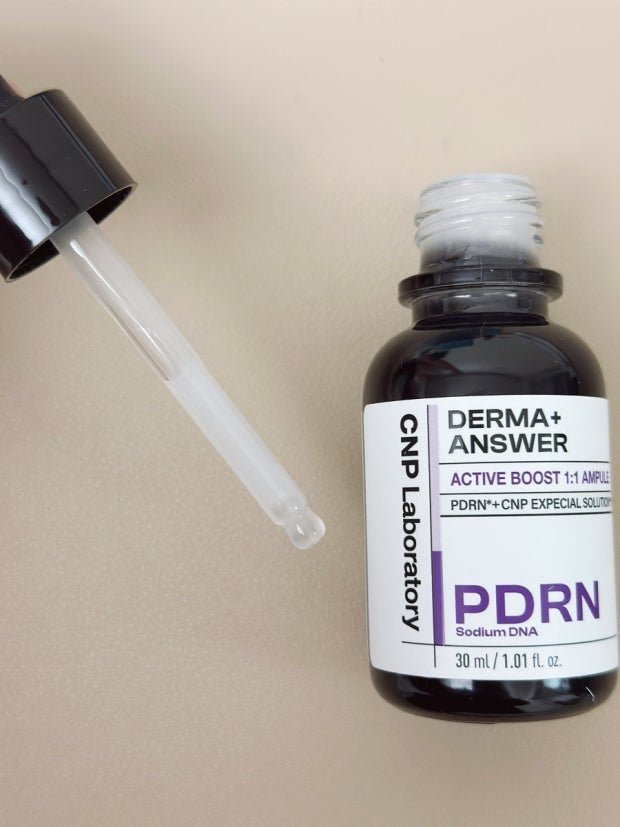
PDRN is typically derived from salmon or trout DNA fragments and is best known for supporting the look and feel of healthier, more resilient skin.
- Supports Skin Elasticity: Helps skin look plumper and more supple.
- Supports the Skin Barrier: Can help soothe the look of stressed, sensitive skin and support a healthy moisture barrier.
- Helps with Hydration: Works well in a hydrating routine, especially when paired with a moisturizer that helps seal in moisture.
Serum vs. Cream: What’s the Actual Difference?
A common mistake is assuming you have to choose between the two. In reality, PDRN serums and creams generally serve different purposes, so they can work well together.
| Product | Main Role | Texture & Step |
|---|---|---|
| PDRN Ampoule / Serum | Delivers PDRN in a lightweight, concentrated formula | Lightweight and fluid; apply after toner |
| PDRN Cream | Adds moisture and helps support the skin barrier | Rich but comfortable; apply last to help seal everything in |
Pro Tip: Think of the ampoule as the hydration step that goes on first, while the cream acts like a topcoat that helps keep that moisture from evaporating.
How to Layer PDRN Like a K-Beauty Pro
Want your skin to look smoother, plumper, and more hydrated by morning? Keep the routine simple:
1. Cleanse & Tone: Start with clean skin, then apply a hydrating toner.
2. Apply PDRN Ampoule: Press 2–3 drops into your face and gently pat it in. Give it a moment to sink in before moving to the next step.
3. Lock It In with PDRN Cream: Smooth a nickel-sized amount over your face and neck to help seal in moisture and support your skin barrier.
Is PDRN Right for You?
PDRN may be worth adding to your routine if:
- Your skin feels flaky, tight, or easily dehydrated, especially in dry indoor air from AC or heating.
- You’re starting to notice fine lines or a loss of firmness.
- Your skin feels sensitive or stressed when the seasons change.
- You want a simple way to add more hydration and skin-conditioning ingredients to your routine.
Quick FAQ
Can I Use PDRN Morning and Night?
Generally, yes. Many PDRN serums and creams are designed for daily use and have lightweight textures that layer well with sunscreen and makeup. That said, always follow the directions for the specific product you’re using.
Is PDRN Safe for Sensitive Skin?
PDRN products are often formulated with sensitive skin in mind, but that doesn’t mean every formula will work for everyone. If you have sensitive skin, patch-test a new product first and introduce it gradually rather than going all in at once.
Recommended PDRN Products in Korea
If you’re shopping for PDRN in Korea, you’ll find everything from lightweight ampoules to richer creams. The best pick depends on whether your main goal is hydration, barrier support, or a more intensive skin-conditioning step.
PDRN Serums & Ampoules
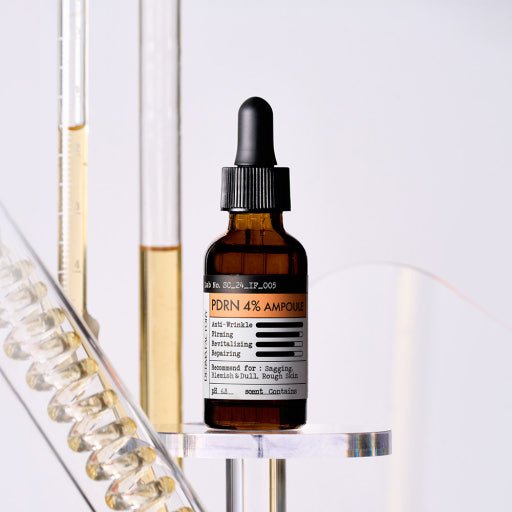
Look for a lightweight PDRN serum or ampoule if you want something that layers easily under moisturizer, sunscreen, and makeup. These formulas are usually the easiest way to add PDRN to an existing skincare routine without making it feel too heavy.
PDRN Creams
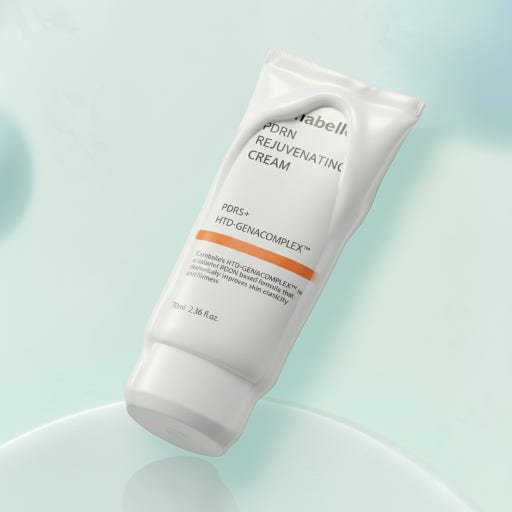
A PDRN cream is a better choice if your skin tends to feel dry or tight after applying serums. It can be used as the final step in your routine to add moisture and help keep your skin feeling comfortable throughout the day or overnight.
What to Look for When Buying PDRN in Korea
When comparing products, don’t focus on the word “PDRN” alone. Check the full ingredient list and formula to see what else the product brings to the table.
- PDRN concentration or ingredient positioning: More isn’t automatically better, but it can help when comparing otherwise similar formulas.
- Hydrating ingredients: Look for ingredients such as hyaluronic acid, glycerin, or panthenol if dehydration is your main concern.
- Barrier-supporting ingredients: Ceramides, cholesterol, and fatty acids can be especially useful if your skin feels dry or easily irritated.
- Texture: Choose an ampoule for lightweight layering or a cream if you need more moisture and a stronger finishing step.
Bottom line: If you’re new to PDRN, starting with a simple ampoule or serum is an easy way to see how your skin responds. If dryness is your bigger concern, pair it with a PDRN cream—or another barrier-supporting moisturizer—to help keep that hydration locked in.