
Ever wake up with your skin throwing an absolute tantrum, leaving you wondering if your moisturizer is secretly working against you? Enter Madecassoside—the unsung hero of Korean skincare that can help calm irritated skin when it’s feeling especially cranky.
If your skin barrier is compromised from over-exfoliating, sun exposure, or post-treatment irritation, here’s everything you need to know about Madeca cream, how it compares with other treatments, and how to layer it like a pro.
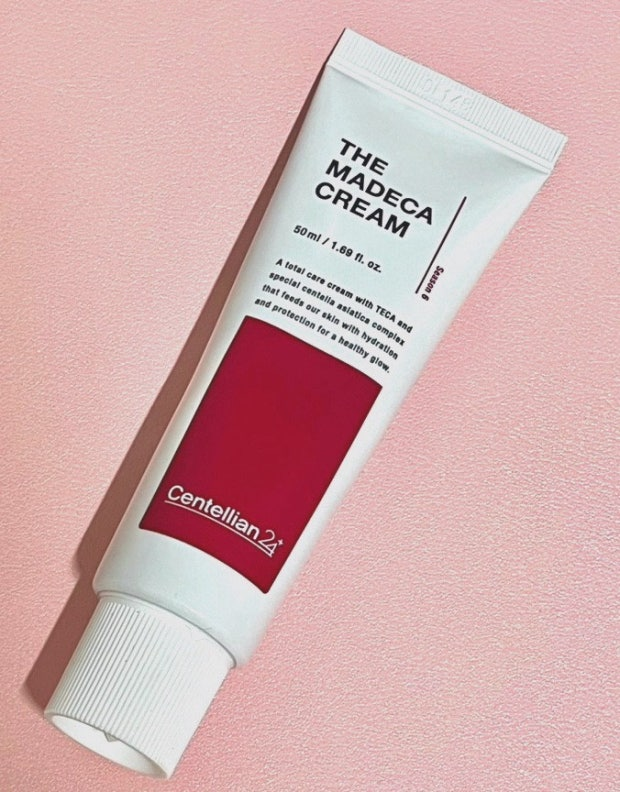
Madecassoside is a bioactive compound derived from Centella asiatica (often called Cica or Gotu Kola). While Cica is already a K-beauty staple, Madecassoside is one of its most well-known active compounds.
- The Anti-Inflammatory Powerhouse: It may help reduce redness, soothe irritated skin, and support the skin’s recovery process.
- Science-Backed Recovery: In vitro studies suggest that Centella-derived compounds can stimulate cell migration, which may help support the repair of damaged skin.
- Gentle & Barrier-Friendly: Unlike many harsher active ingredients, Madecassoside is generally well tolerated and can be used in daily skincare formulations.
Madeca Cream vs. Recovery Creams vs. Dark Spot Treatments
It’s easy to get these products mixed up when you’re browsing the K-beauty aisle. Here’s the breakdown so you don’t accidentally throw your whole skincare routine out of whack:
1. Madeca Cream vs. General Recovery Creams
Think of “recovery cream” as an umbrella term. Madeca cream is a specific type of recovery cream that focuses primarily on soothing irritated skin and supporting the skin barrier.
- Use Madeca Cream when: Your skin needs extra soothing after procedures, sun exposure, or irritation.
- Use General Recovery Creams when: You’re mainly looking for everyday hydration and barrier support.
2. Madeca Cream vs. Spot Correctors (e.g., Hydroquinone / Domina Creams)
Don’t confuse these two! Pigment-targeting treatments are formulated to address hyperpigmentation and may contain potent ingredients such as hydroquinone, retinoids, or tranexamic acid.
- Madeca cream soothes and supports skin recovery.
- Spot correctors target discoloration and help fade dark spots.
- Pro Tip: If you’re pairing a potent brightening treatment with Madeca cream, introduce the active slowly. Try alternating nights for the first couple of weeks to give your skin time to adjust.
How to Layer Madeca Cream into Your Routine
To get the most out of your soothing routine, where you apply it matters. You generally want your treatment products to go on before heavier creams and oils.
- Step 1: Cleanse & Tone: Apply your hydrating toner or skin-prep product as usual.
- Step 2: Madeca Cream: Apply a thin layer to irritated areas after toning, before your heavier creams.
- Step 3: Moisturize & Protect: Give it a moment to settle, then follow with your regular moisturizer. During the day, finish with SPF.
Patience Is Key: Don’t expect an overnight miracle! While Madecassoside may help soothe irritation relatively quickly, meaningful barrier recovery takes time. Stick with a consistent routine and give your skin 1–2 weeks before judging the results.
Quick FAQ: Answers for Busy Skincare Addicts
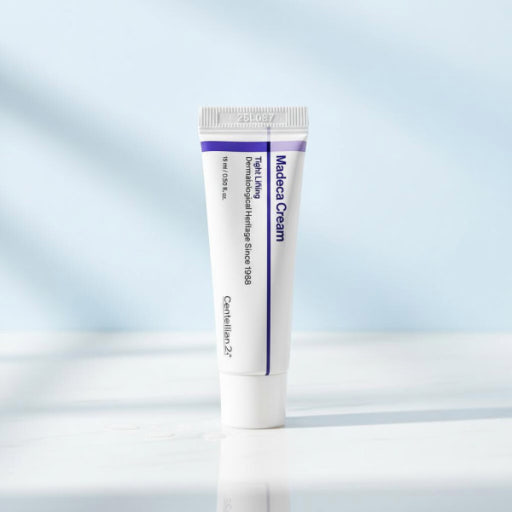
- Is Madeca cream safe for oily or acne-prone skin? It can be. Madeca cream is often used to help soothe irritated or inflamed-looking skin. If you tend to get greasy easily, apply a thin layer instead of slathering it on like a sleeping mask.
- Can I mix it with other recovery creams or actives? Generally, yes. It can pair well with hydrating and barrier-supporting products, but introduce new actives gradually to avoid unnecessary irritation.