
Rejuran and other injectable skin treatments are designed to address skin quality in a clinical setting, while topical skincare and nutrition play different roles in everyday skin maintenance. Comparing them as interchangeable solutions can be misleading, so it helps to understand what each approach is actually intended to do.
What Rejuran Can and Can’t Do
If you have sensitive, combination skin, you know the struggle: a shiny T-zone paired with cheeks so dry they practically scream under makeup. Rejuran Healer is an injectable skin-quality treatment commonly offered in Korean aesthetic clinics. Its role is different from topical moisturizers, serums, or nutritional supplements, so the treatments should not be viewed as direct replacements for one another.
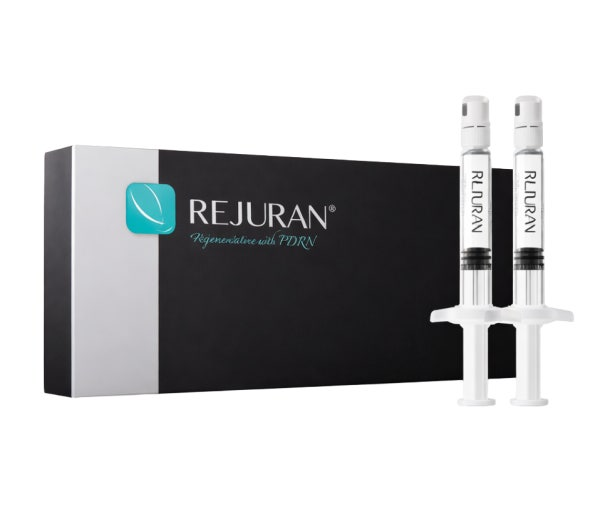
After Rejuran treatment, temporary swelling, redness, tenderness, and visible injection marks can occur. The extent and duration of these effects vary depending on the treatment area, injection technique, and individual response.
- Pain and discomfort: Rejuran injections can be uncomfortable, and some patients may experience significant stinging or aching during treatment.
- Downtime and irritation: Redness, bruising, and lingering irritation around the injection sites.
Any visible improvement is not permanent, and maintenance treatments may be recommended depending on the treatment plan and individual goals.
Repeated aesthetic treatments can become expensive over time, and visible improvements may not address every factor that influences the overall appearance and condition of the skin. External treatments can temporarily improve the look and feel of your skin, but they don’t necessarily address the factors that influence your skin’s overall condition.
Why Skin Quality Depends on More Than One Factor
The idea behind longer-term skin improvement is to look beyond what you put directly on your face and consider the bigger picture. When your overall health and nutrition are out of balance, even expensive serums and treatments may not deliver lasting results.
- Gut-skin research: Studies are exploring possible links between the gut microbiome, immune signaling, and skin health, but the relationship is complex and is still being studied.
- Skin renewal: Skin cell turnover can be influenced by age, inflammation, environmental exposure, and other factors, which may affect the appearance of texture and pigmentation.
- A Weakened Skin Barrier: A weakened skin barrier can increase moisture loss and contribute to dryness or irritation. Sometimes leaving you with both dry patches and excess oil in the T-zone.
Where Nutrition Fits Into Skin Health
Instead of relying solely on treatments applied or injected from the outside, I started exploring daily nutrition as another piece of the skincare puzzle. The approach I was introduced to combined four key components:
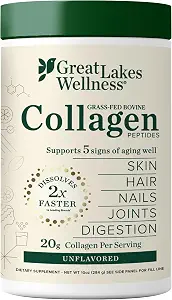
1. Low-Molecular-Weight Fish Collagen (~500mg)
- What it provides: Collagen peptides derived from fish sources.
- What research suggests: Some studies have investigated oral collagen peptides for skin hydration and elasticity, but results vary and supplements should not be treated as a replacement for medical or dermatological care.
2. Polyphenols (~200mg)
- What it does: Provides antioxidant compounds that can help the body manage oxidative stress.
- What research suggests: Polyphenols are antioxidant compounds found in many plant foods. Their potential effects on human health depend on the specific compound, dose, and overall diet.
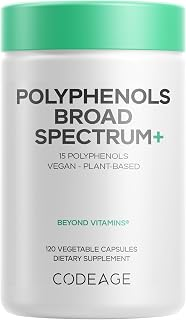
CODEAGE POLYPHENOLS BROAD SPECTRUM+
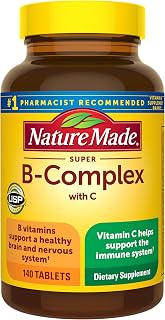
3. Complete Vitamin Complex (~120mg)
- What it does: Combines vitamins such as C, B-complex, and E to support overall nutritional needs.
- The Benefit: Vitamin C supports collagen production, B vitamins play various roles in normal skin and energy metabolism, and vitamin E provides antioxidant support.
4. Dietary Fiber (~150mg)
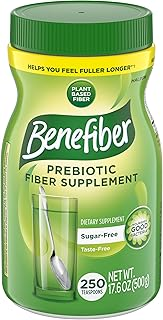
- What it does: Supports healthy digestion and helps maintain a balanced gut environment.
- The Benefit: Fiber can support regular digestion and a healthy gut microbiome, which may indirectly contribute to overall skin health.
Where Nutrition Fits Into a Skincare Routine
If you shift some of your focus from quick cosmetic fixes to consistent nutrition and skincare habits, here’s a more realistic way to think about the timeline:
Nutrition can contribute to overall health, but changes in skin appearance should not be attributed to a supplement alone. Diet, skincare, sleep, stress, and other factors can all influence how skin looks and feels.
How to Get Started: Daily Routine & Tips
You don’t need to book an expensive clinic appointment to start paying more attention to skin health from the inside out. Here are a few practical ways to approach it:
- Timing Matters: Follow the directions on your supplement rather than assuming more frequent dosing means better results. Some nutrients are better absorbed with food, while others may be recommended on an empty stomach.
- DIY Mix: If you choose individual supplements, check the serving size and ingredient quality carefully before combining powders. More isn’t necessarily better.
- All-in-One Formulations: If mixing powders every day sounds like a hassle, an all-in-one supplement may be more convenient. Look for products with transparent ingredient amounts rather than relying on proprietary blends.
Bottom Line: You don’t have to choose between professional treatments and everyday skincare. Nutrition is one part of overall health, but it should complement rather than replace evidence-based skincare and professional medical care when needed. Give your skin consistent support through nutrition, hydration, barrier-friendly skincare, and realistic expectations—and let the results build over time.