
Ever wonder why everyone in K-Beauty is talking about exosomes right now, but no one seems able to explain what they actually do? Let’s cut through the hype and break down this trendy skin booster so you know exactly what you’re paying for.
What the Heck Are Exosomes, Anyway?
Think of exosomes as tiny biological text messages. Measuring roughly 50 to 200 nanometers, these microscopic vesicles are naturally produced by cells and help carry proteins, growth factors, and other molecules involved in cell-to-cell communication—essentially acting like tiny delivery packages.
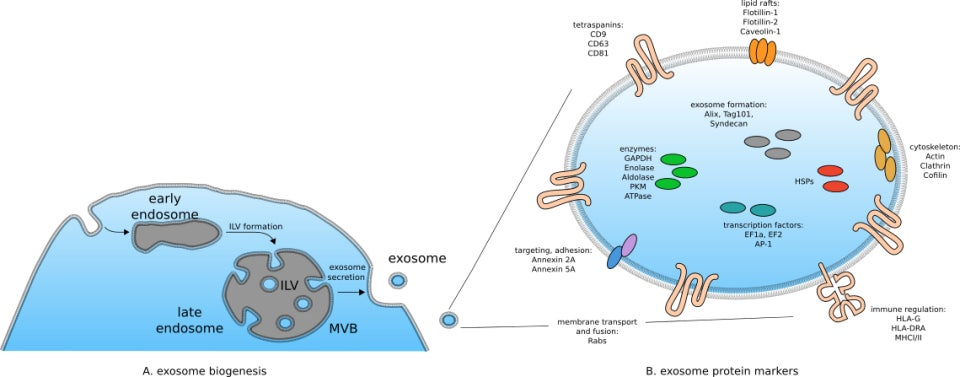
Unlike hyaluronic acid dermal fillers, which physically add volume to the skin, exosomes are intended to work through cell signaling. They may help send signals involved in skin repair and regeneration, including processes related to collagen and elastin production.
The Takeaway: Dermal fillers provide immediate volume, while exosome-based treatments are designed to support your skin’s natural repair processes over time.
How Are Exosomes Applied in K-Beauty Clinics?
Because exosome treatments are generally used as skin-rejuvenation treatments rather than structural fillers, clinics use different delivery methods to help the ingredients reach deeper layers of the skin:
- MTS (Microneedling): Creates tiny channels in the skin to help topical products penetrate more effectively.
- Direct Micro-Injections: Delivers the product directly into targeted areas of the skin.
- Energy-Based or Transdermal Devices: Devices such as Potenza or Mirajet may be used to deliver products into the skin with minimal surface disruption.
Because techniques vary from clinic to clinic, your downtime, temporary swelling, and overall treatment cost can depend heavily on the delivery method your provider recommends.
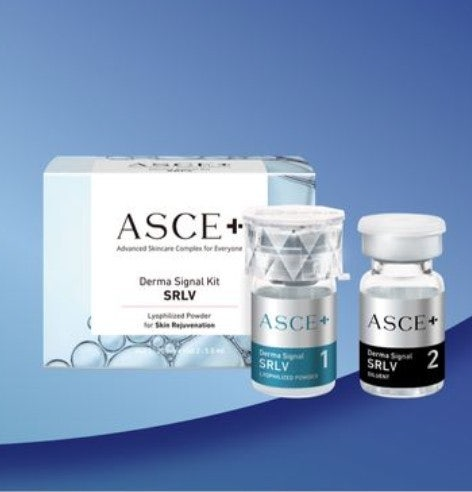
The Results: What Can You Honestly Expect?
Exosomes aren’t an overnight magic wand, but they may have potential as part of a broader approach to improving overall skin quality.
Key Benefits
- Texture & Tone: May help improve the look of rough, tired-looking skin and uneven tone.
- Elasticity & Fine Lines: May support skin firmness and the processes involved in collagen production.
- Pore Refinement & Soothing: May help improve the appearance of enlarged pores while supporting a calmer-looking complexion and skin barrier.
Timeline & Longevity
- First Signs of Improvement: Some people may notice changes in skin texture or radiance within 1 to 2 weeks after treatment.
- Treatment Plan: The number and frequency of sessions vary depending on the product, treatment method, and your skin’s needs. Some clinics recommend a series of treatments rather than a single session.
- How Long Results Last: There isn’t enough consistent evidence to promise a specific duration, so results can vary considerably from person to person.

Exosomes at a Glance
| Feature | Details | Key Tip |
|---|---|---|
| What It Is | 50–200nm extracellular vesicles involved in cell signaling | They’re being studied for their potential role in skin repair and regeneration. |
| Delivery Method | Microneedling (MTS), micro-injections, or specialized devices | Downtime depends on the technique and your skin’s response. |
| Potential Benefits | Improved texture, elasticity, radiance, and overall skin appearance | Results can vary, and evidence is still developing. |
| Timeline | Changes may develop gradually over several weeks | Don’t expect instant, dramatic results. |
| Safety Note | An emerging area of aesthetic medicine | Verify the product, provider credentials, and local regulatory status. |
The Reality Check: Limitations & What to Watch Out For
While exosomes are one of the more talked-about developments in aesthetic medicine, it’s important to keep your expectations grounded:
- It’s a Marathon, Not a Sprint: Any potential changes are likely to develop gradually rather than overnight.
- Regulatory Status & Safety: Exosome-based cosmetic and aesthetic treatments are still an evolving area of research, and regulations vary by country. Make sure your provider is properly licensed and clearly explains what product is being used and how it’s intended to be administered.
- Post-Care Basics: Temporary redness, mild swelling, or tiny pinprick marks can occur after treatments such as microneedling or injections. Follow your provider’s aftercare instructions, and avoid saunas, intense workouts, and harsh exfoliants immediately afterward if you’re advised to do so.
The Final Verdict
If you’re looking for an instant “facelift in a bottle,” exosomes aren’t it. But if you’re curious about emerging approaches to skin rejuvenation and want to explore treatments aimed at supporting overall skin quality, exosomes may be worth discussing with a licensed, qualified professional.
Just keep one thing in mind: exosomes are still an emerging area of aesthetic medicine, so the science and long-term safety data aren’t as settled as the marketing sometimes makes them sound.